


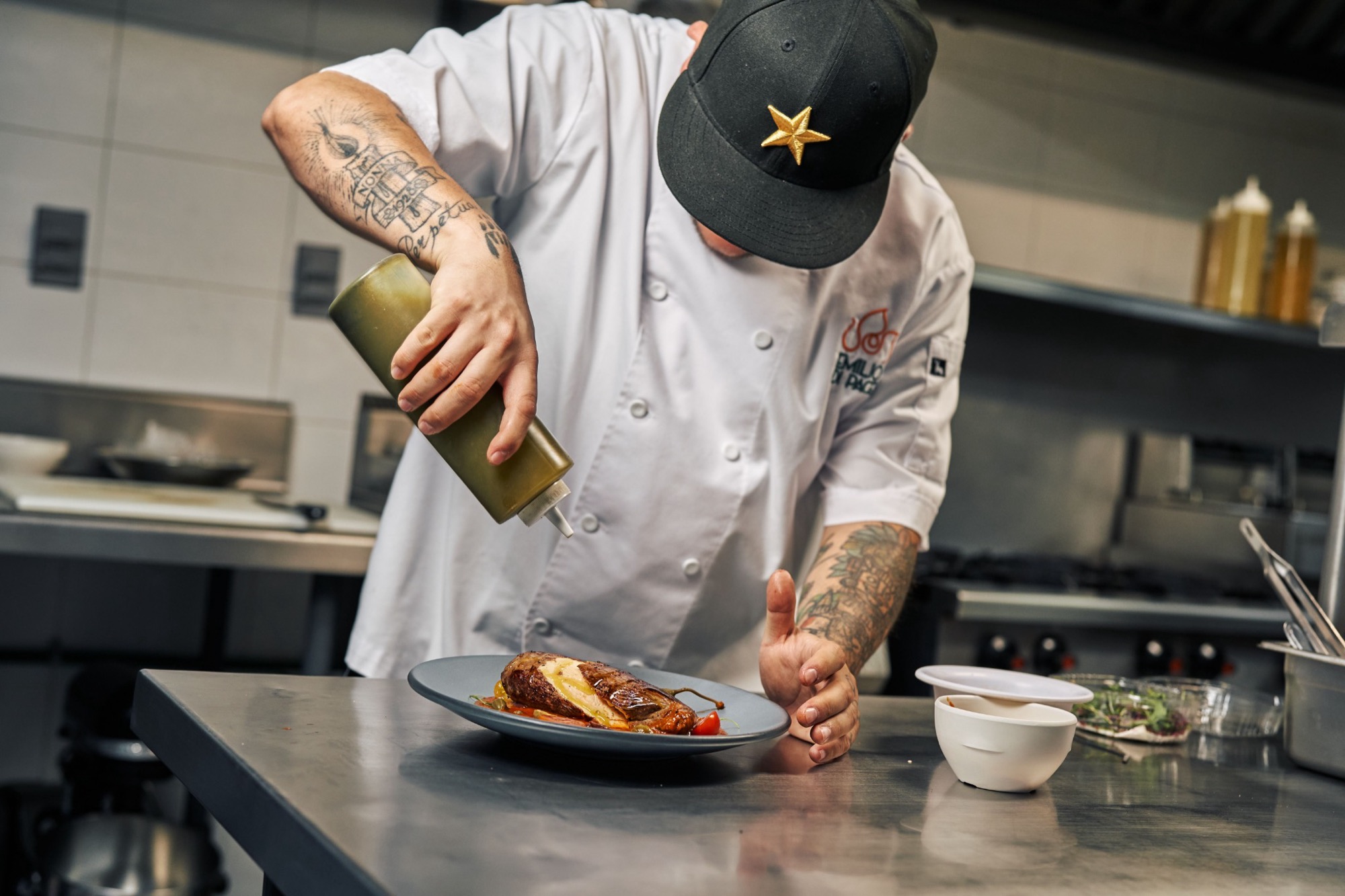
Stand at the pass of a good restaurant at half past six and you can feel the shape of the evening before the first ticket arrives. The prep is done, the section is set, someone is tasting a sauce for the third time. What has changed over the past few years is not the ritual. It is the people performing it, and what they expect in return.
Restaurant work has always been demanding. The hours are long, the margins are thin and the pressure of service does not care how anyone slept. For a long time the industry treated that as the price of entry. A new generation of cooks, servers and managers is quietly renegotiating the deal, and the businesses that listen are building something better than the ones that do not.
A job worth staying in
Ask people why they leave hospitality and the answers are rarely about the work itself. Most love the craft: the speed, the teamwork, the moment a plate goes out exactly right. They leave because of what surrounds the work. Rotas that change at a day's notice. Training that amounts to watching someone else for a week. No sense of where the next step is.
The operators who are holding on to their best people have started treating those things as design problems rather than facts of life. Rotas are published further ahead and protected. Split shifts are kept to a minimum. Days off are actually days off. None of this is glamorous, and none of it shows up on a menu, but it is the difference between a team that is rebuilt every year and one that gets better every year.
The best kitchens are not the ones with the most talented individuals. They are the ones where talented people choose to stay.
Training as a menu of its own
The old apprenticeship model, where skills were absorbed by proximity and pressure, is giving way to something more deliberate. Good kitchens now teach in the open: written recipes and standards, tasting sessions before service, regular time on every section, and clear conversations about what a cook needs to learn to move up.
Front of house is changing in the same way. Wine and service knowledge used to belong to whoever had been there longest. Now the strongest teams share it, with short briefings before service, notes on regular guests and the confidence to let a newer member of staff handle a table that matters.
The result is not only better food and service. It is a career that people can see. When a commis can name the three things standing between them and chef de partie, they are far more likely to stay and earn it.
From employee to founder
The other big shift is in what ambition looks like. A generation ago, the path to running a kitchen usually meant years of climbing someone else's ladder. Today there are more ways in: pop-ups, residencies, market stalls, supper clubs, delivery-led concepts and small neighbourhood openings funded in part by the people who will eat there.
These routes carry real risk, and not every idea survives contact with rent and rates. But they have changed the relationship between talent and the established restaurant groups. Ambitious cooks now have options, and the businesses that want to keep them are responding with profit shares, creative input and support for side projects, rather than hoping loyalty will do the job on its own.
What guests notice
Guests rarely see a rota, a training plan or a progression framework. They feel them anyway. A team that is rested and trusted is warmer, quicker to fix small problems and more willing to make a recommendation that is genuinely theirs. A team that is stretched thin is polite at best and visibly tired at worst.
This is where the talent conversation stops being an HR topic and becomes a hospitality one. The way a business treats its people is, sooner or later, the way its guests are treated too. Reviews, return visits and word of mouth all follow from that.
The business case is not soft
It is tempting to describe all of this as nice to have. It is not. Every departure costs money: recruitment, training time, mistakes made by people still learning the menu, and the quiet drop in standards while a team rebuilds. Every experienced member of staff who stays carries knowledge that no manual captures, from how a regular takes their coffee to which supplier can be relied on at short notice.
Operators who measure staff turnover with the same seriousness as food and labour costs tend to make different decisions. They protect training budgets in difficult months. They promote from within. They notice when a section is burning out before it shows up in the reviews.
What comes next
The next chapter for restaurant talent will not be written by any single group or chef. It will be written in hundreds of ordinary decisions: a rota published a fortnight ahead, a recipe written down, a young cook given a dish on the menu, a manager who asks how service felt and acts on the answer.
Hospitality has always been about looking after people. The industry's most interesting work right now is turning that instinct inwards, towards the people who make it happen every night. The businesses that get it right will not only keep their best people. They will become the places everyone else wants to work.
HCMS publishing-test article; The Big Picture lead written to demonstrate the reference site design.
Photograph: Willians Huerta / Pexels.